
簡介
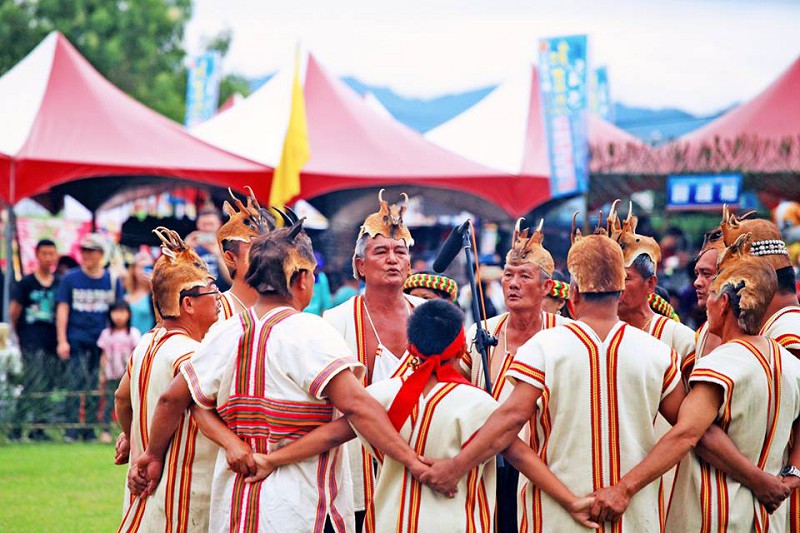
「八部合音演算法」是一個結合布農族傳統音樂與區塊鏈技術的文化保存計畫。布農族八部合音(Pasibutbut,祈禱小米豐收歌)是台灣原住民族最具代表性的無形文化資產之一——1952 年日本音樂學者黑澤隆朝將其錄音帶到聯合國教科文組織,震驚了當時認為「和聲只存在於西方音樂」的國際學術界。Pasibutbut 以多聲部的自然泛音層疊,在沒有指揮、沒有樂譜的情況下,由族人集體即興完成複雜的和聲結構。
這個計畫嘗試回答一個深刻的問題:當能夠演唱八部合音的耆老日漸凋零,區塊鏈與演算法能否成為保存這項活態文化遺產的新途徑?
無形文化資產的數位保存
計畫聚焦於布農族古謠及古調的保存,與部落大學計畫及原住民族委員會合作,透過數位化方式記錄這些面臨失傳危機的文化資產。不同於一般的錄音存檔,計畫嘗試用演算法分析八部合音的聲響結構,理解其即興規則與泛音關係,在保存「聲音」的同時也保存「唱法」與「知識」。
這是一場與時間賽跑的工作。隨著現代化與人口外移,部落中能完整演唱 Pasibutbut 的人越來越少。計畫團隊深入部落,與耆老合作,在尊重傳統文化脈絡的前提下進行數位記錄。
福爾摩沙原住民藝術分行
計畫的未來願景是建立「福爾摩沙原住民藝術分行」(Formosa Indigenous Art Branch),讓原住民藝術在 Web3 世界中被更多人認識與珍視。這不只是將原住民藝術「上鏈」,而是探索一個讓部落社群能夠自主管理、展示與傳承文化資產的數位架構——讓文化的主權回到族人手中。
基本資訊
- 合作夥伴:布農族部落、部落大學計畫、原住民族委員會
- 日期:2022-06-15
- 獲得方式:社群參與
- 發行量:依計畫而定
- 價格:依計畫而定
Introduction
“Eight-Part Harmony Algorithm” is a cultural preservation project that brings together Bunun indigenous traditional music and blockchain technology. The Bunun eight-part harmony — known as Pasibutbut, a prayer song for millet harvest — is one of the most iconic intangible cultural assets of Taiwan’s indigenous peoples. In 1952, Japanese musicologist Kurosawa Takatomo brought a recording of Pasibutbut to UNESCO, astonishing the international academic community, which had assumed that complex polyphonic harmony existed only in Western music. Pasibutbut layers natural overtones across multiple vocal parts, achieving intricate harmonic structures through collective improvisation — without a conductor, without a score.
This project asks a profound question: as the elders who can perform Pasibutbut grow fewer each year, can blockchain and algorithms offer a new path for preserving this living cultural heritage?
Digital Preservation of Intangible Cultural Heritage
The project focuses on preserving Bunun ancient songs and chants, collaborating with the Tribal University Program and the Council of Indigenous Peoples to digitally document cultural assets at risk of being lost. Unlike conventional audio archiving, the project uses algorithms to analyze the sonic structure of the eight-part harmony — its improvisation rules and overtone relationships — preserving not just the “sound” but also the “method” and the “knowledge” behind it.
This is a race against time. As modernization and rural migration thin out tribal populations, fewer and fewer people can perform Pasibutbut in its complete form. The project team works directly within tribal communities, collaborating with elders to create digital records while respecting the traditional cultural context.
Formosa Indigenous Art Branch
The project’s future vision is to establish a “Formosa Indigenous Art Branch,” bringing indigenous art to wider recognition and appreciation in the Web3 world. This goes beyond simply putting indigenous art “on-chain” — it seeks to build a digital architecture through which tribal communities can autonomously manage, display, and transmit their cultural assets, returning cultural sovereignty to the people themselves.
Basic Information
- Partners: Bunun tribal communities, Tribal University Program, Council of Indigenous Peoples
- Date: 2022-06-15
- How to acquire: Community participation
- Edition size: TBD
- Price: TBD